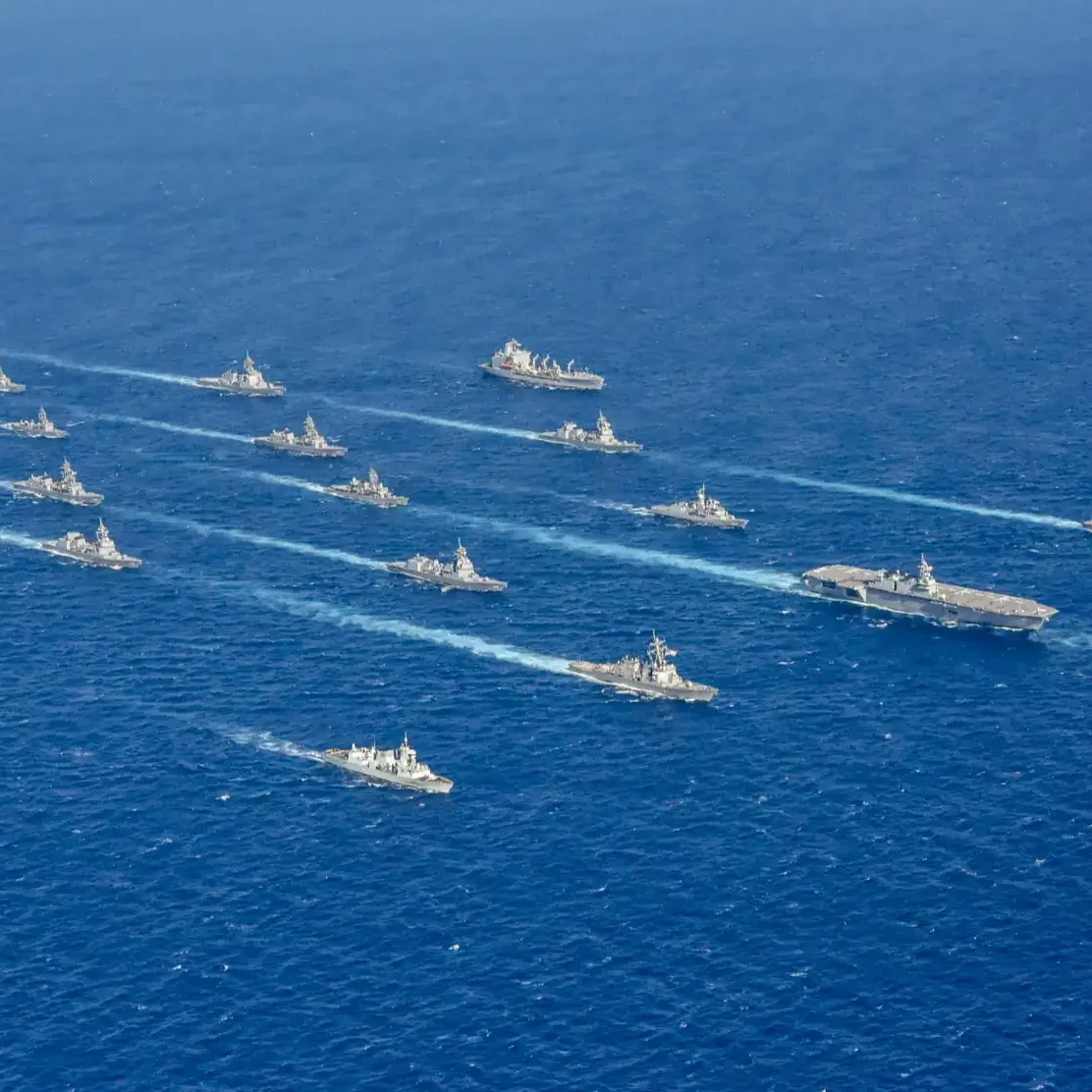
Naval forces continue being relevant in modern military strategy, with both the Russian and American navies being engaged against relatively grounded opponents and the possibility of a future naval war being ever-present in the Pacific.
The intent of this article is to give a relatively simple overview of the terms connected to modern naval force and combat, to help give insight to a layman in what some of these words mean. If I have time and see the interest for it I will expand this concept to make overviews of other aspects of modern strategy and security policy as its own section of the blog. As this is more of a glossary than it is an article, it is not particularly exciting reading. I hope to update the blog page with some articles about modern naval policy and practice, to make this article useful.
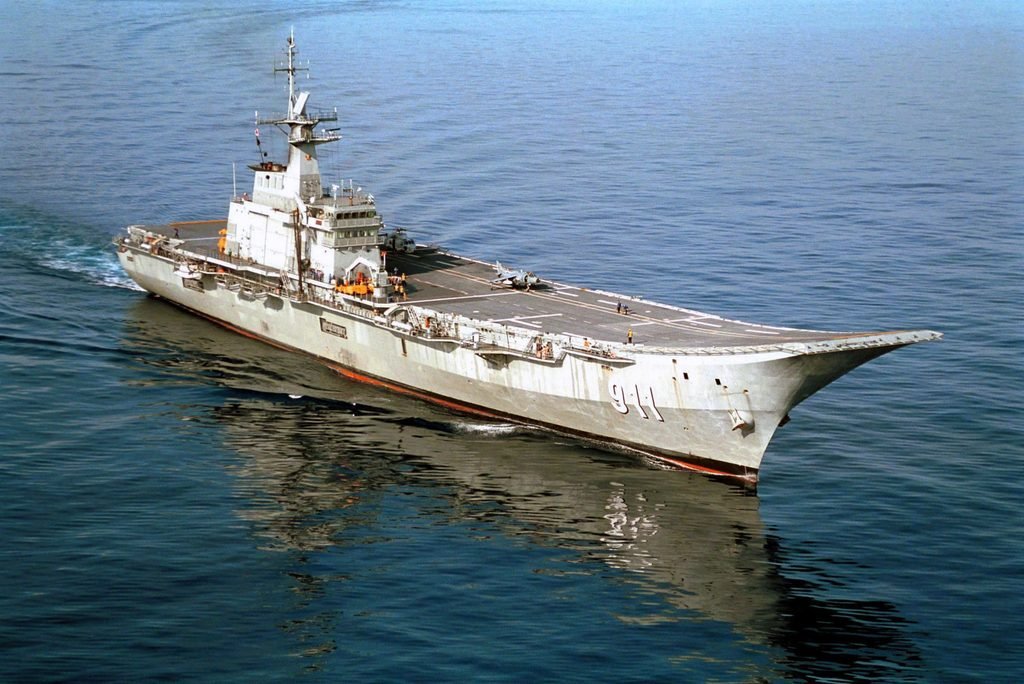
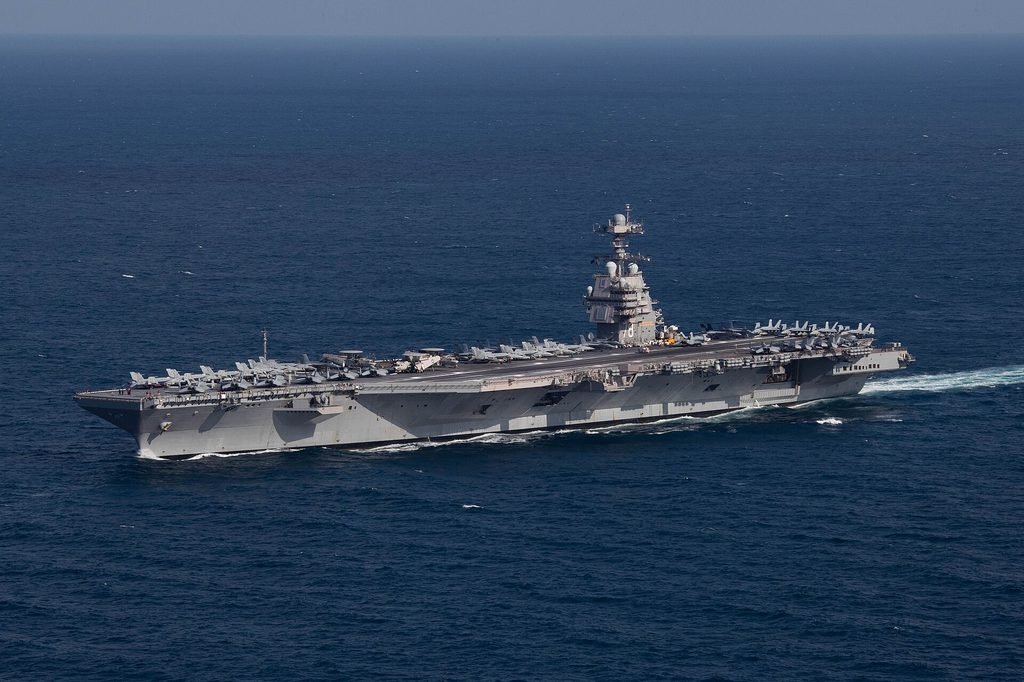
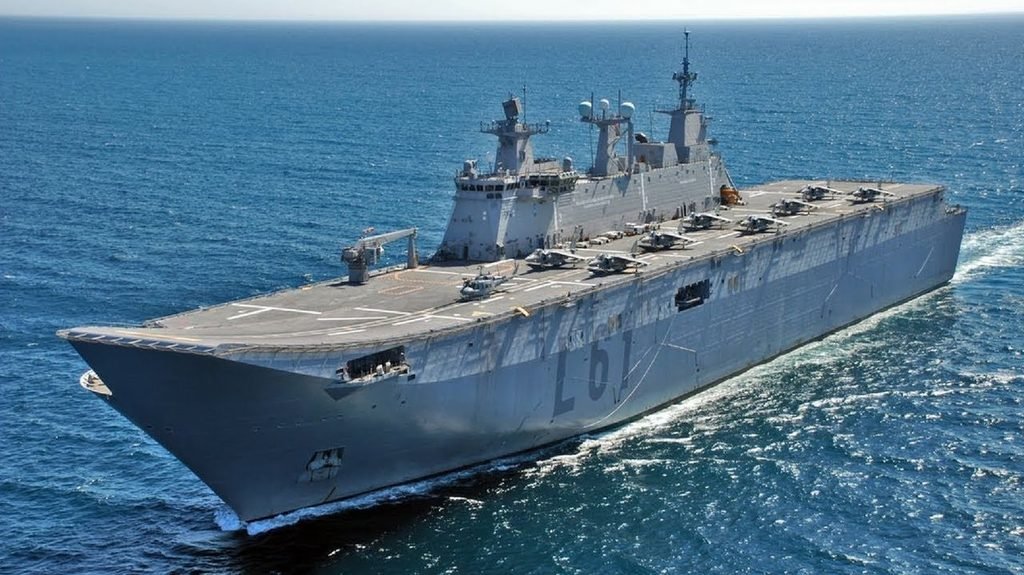
The structure of the article is as follows: the terms are sorted into eight broader categories. Each term is given its own short paragraph, and the term explained by the paragraph is italicized. Below some of the terms, particularly the ships, there will be an image to provide a visual example.
Table of contents:
- General terminology
a. Organization
b. Ships and boats
c. Armaments and sensors
d. Roles and strategies - Ship types
a. Aircraft carriers
b. Surface warships
c. Submarines
d. Support ships
1. General terminology
a. Organization
A navy is the combined maritime forces of a country, regardless of size. Some smaller countries organize their naval forces as a part of the army, if the size is deemed insufficient to make up its own military branch. Some countries organize their patrol craft in a coast guard separate from the wider navy. A navy may command ground forces, usually known as marines, or air forces, usually known as a naval air wing.
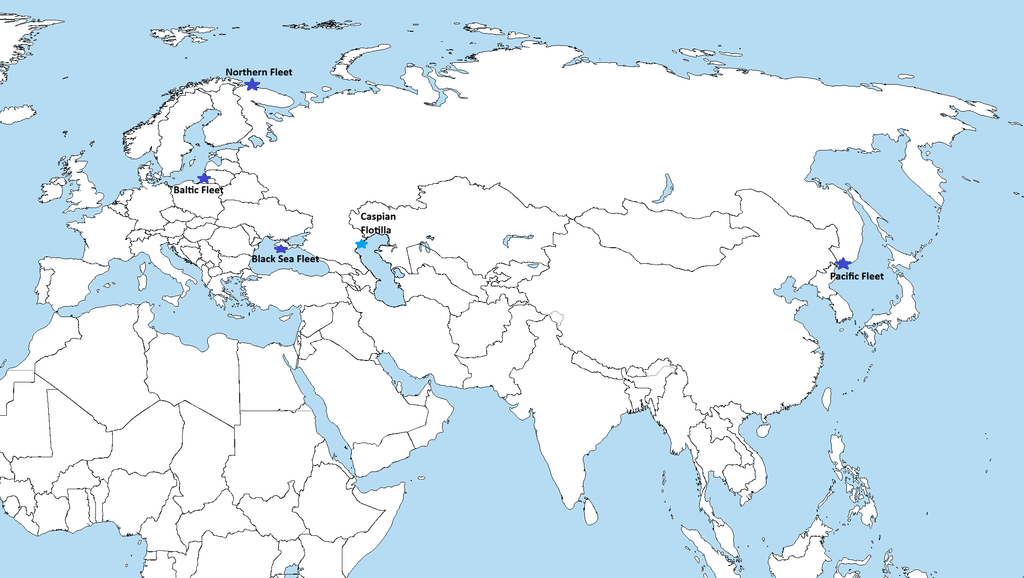
A fleet is the highest level of organization within a navy. Fleets are usually only used by large naval powers that need to cover a large geographic area. A fleet is usually assigned to a specific sea, and usually contains multiple flotillas and home ports.
A flotilla or squadron is the level of organization below fleet. The terms are somewhat interchangeable, and it varies from country to country which is used. A flotilla or squadron usually contain 4-6 vessels of the same type, and usually have a single home port.
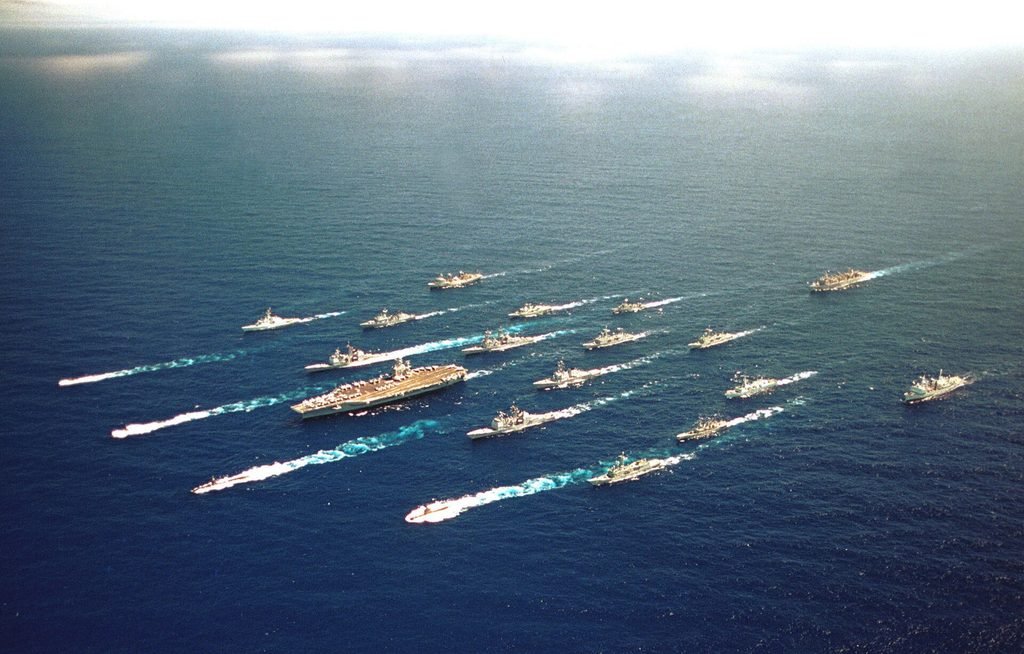
A task force is a collection of warships gathered for a specific purpose or operation. Unlike fleets, squadrons and flotillas, there is no real rule to how large a task force is, and it is not a permanent organization, usually only existing as long as needed. Task forces may also be gathered from the navies of multiple countries.
A carrier battle group is a type of task force where a group of other ships follow and support an aircraft carrier.
A ship type is a name for the general role and build a ship has, such as a destroyer. These terms are somewhat standardized throughout the world, but the upper and lower size limit of warships are inconsistently defined.
A ship class is a group of ships of the same type with a largely identical build. The ship class is usually named after the lead ship (first ship built) of the class in some countries, while named after a project number in other countries.
A flagship is the leading ship of a fleet or flotilla. It is usually the largest warship in its unit, and traditionally houses the commanding officer of the fleet.
b. Ships and boats
Vessel, craft or watercraft are general terms for a water-going vehicle, regardless of size. Using the term vessel is common when speaking generally about naval equipment. Using the term craft is common when speaking non-specifically about a type of vessel that contains both ships and boats, such as patrol craft.
A ship is a larger vessel than a boat, but the difference is not sharply defined. Traditionally it is said that a ship can carry a boat, but not vice versa. Submarines are often referred to as boats regardless of size.
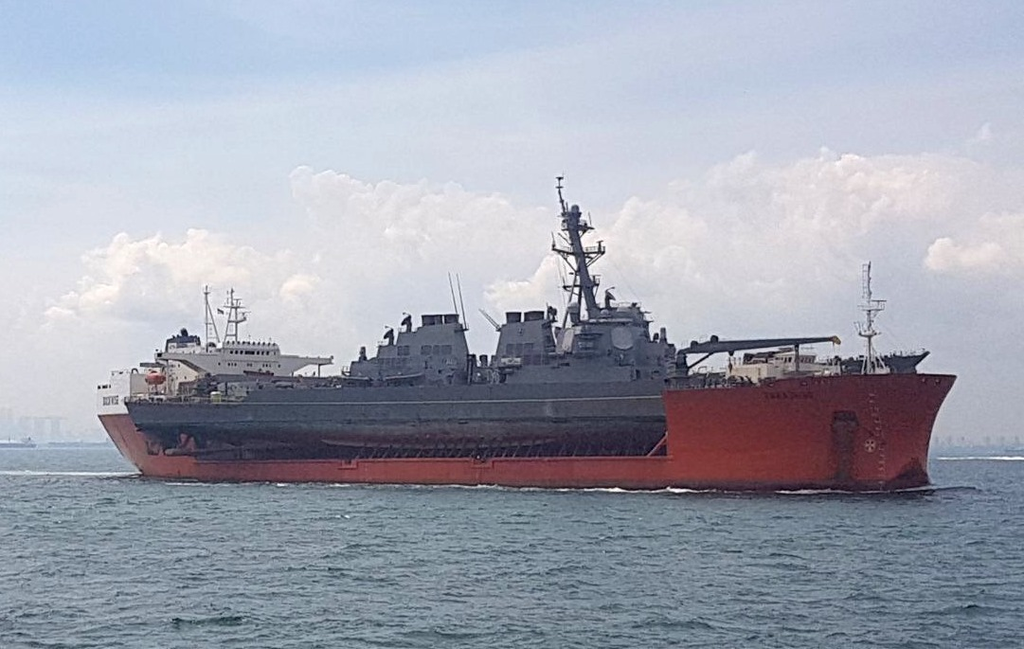
A warship is a large naval vessel that can participate in naval combat. This includes aircraft carriers, surface combatants, and submarines.
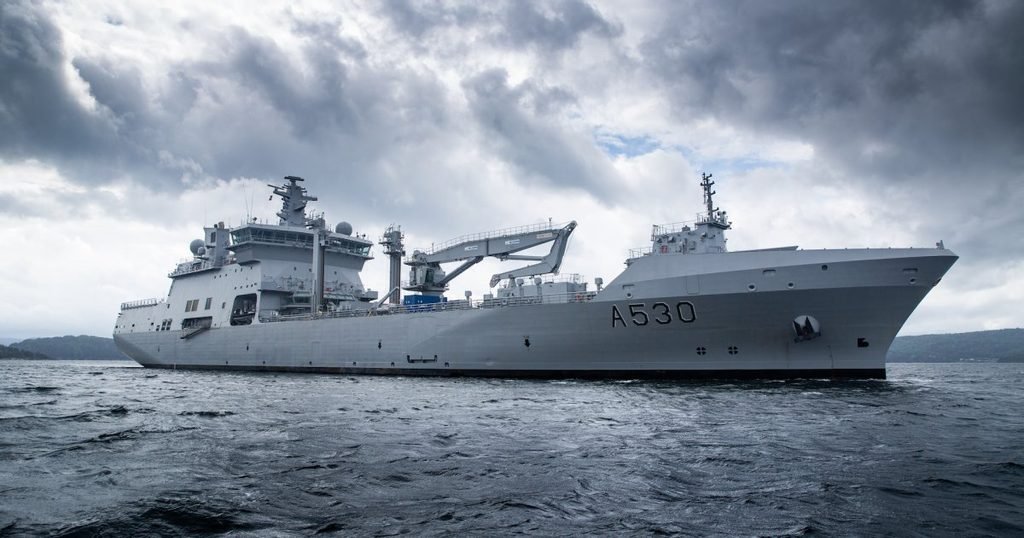
A support ship is a vessel that aids the naval forces, and may be part of the navy, but does not want to participate in naval combat. An auxiliary ship is a support ship considered to exist in addition to the main naval force.
A naval ship is a vessel that is a part of a country’s navy, regardless of whether it is warship or a support ship.
The hull is the main body of a ship, carrying most of the ship’s weight and deciding the limit of its size and equipment. In naval production and construction, the hull is often used as a shorthand for ships produced. The inside of the hull will contain engine rooms, crew compartments and storage rooms. The hull is separated into multiple watertight compartments on most modern ships to make them harder to sink.
The superstructure is everything in a ship above the hull. It contains the bridge, where the ship’s command structure is located, as well as a ship’s radar systems and some weapons systems.
c. Armaments and sensors
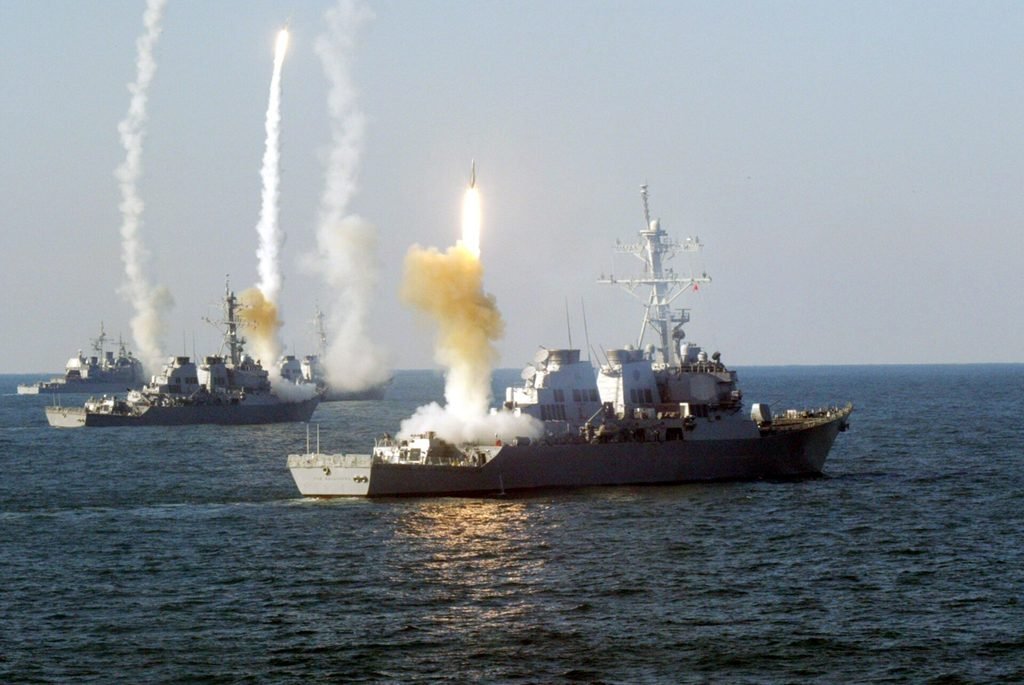
Naval missiles are the most important type of naval weaponry. Missiles can be launched from launchers in the ship’s superstructure, or from vertical launch systems (VLS) embedded in the hull. Missiles can be designed to target surface ships, submarines or ground targets (surface-surface missile or ship-ship missile, both abbreviated SSM) or designed to target aircraft or other missiles (surface-air missiles, abbreviated SAM). SAMs designed to stop incoming missiles specifically are called interceptors.
Torpedoes are underwater explosives that target surface ships or submarines. It is the main weaponry of most submarines, and of ships that specialize in anti-submarine warfare.
Close In Weapon Systems (CIWS) are heavy machine guns or light missiles meant to counter incoming missile attacks that have gone past allied surface-air missiles.
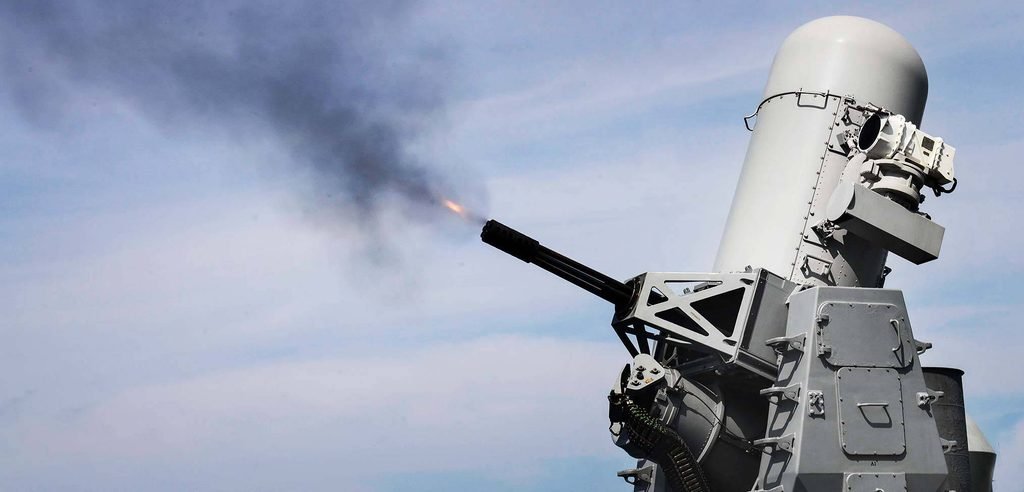
Soft-kill systems are missile and torpedo defenses that work by misdirecting the projectile, while hard-kill systems are defenses that destroy the incoming projectile. Anti-air soft-kill systems have largely lost to hard-kill systems in naval relevance, while soft-kill systems remain the main countermeasure to torpedoes.
Deck guns are cannons used to engage targets at a closer range. Most modern warships usually only operate one such cannon, as most naval warfare occurs beyond visual range.
Directed energy weapons or lasers are still mostly experimental, but is in service with at least the US navy. The potential of the weapon is to be able to cheaply and consistently stop attacks from drones and missiles as long as the ship has power.
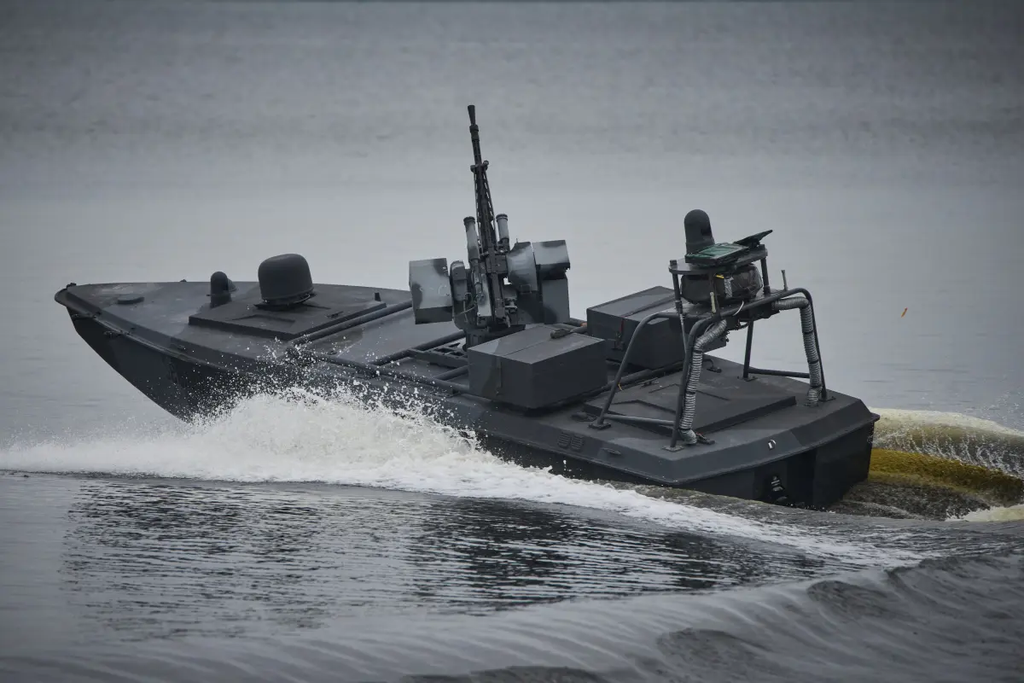
Sea drones are small, unmanned watercraft that travel either on the surface or slightly below it, and explode when near an enemy ship.
Radar uses radio waves to find and track objects. In a naval concept, radar is used to detect enemy aircraft, missiles, and surface vessels.
Sonar uses sound waves to find and track underwater objects. Sonar is used by surface vessels or submarines to find surface vessels or submarines.
d. Roles and strategies
Naval combat entails naval forces engaging other naval forces or aircraft. Naval forces may specialize in anti-submarine (ASW), anti-surface (ASuW) or anti-air (AAW) warfare.
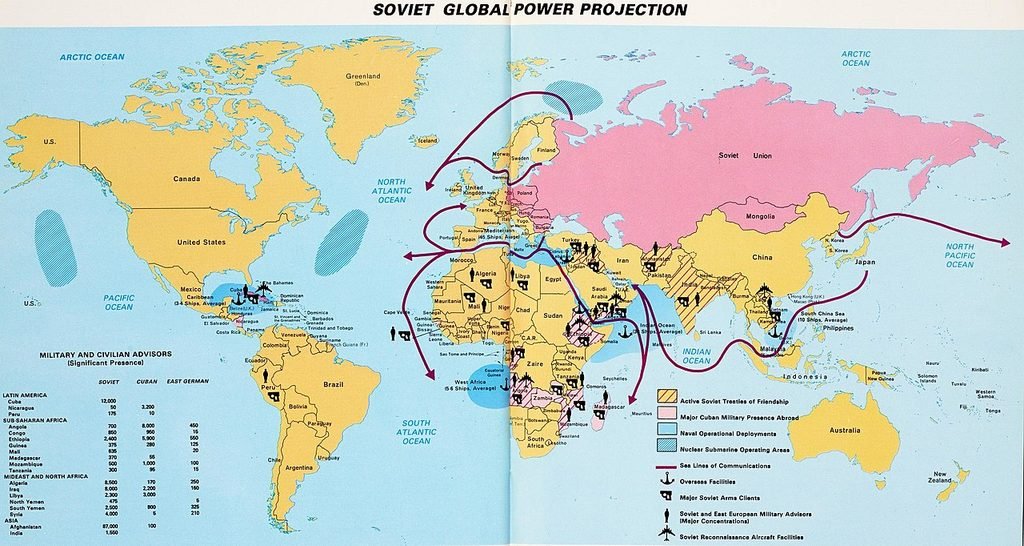
Power projection refers to naval forces using or threatening military force far away from their home country. This can mean patrolling a sea zone, performing shore bombardment, supporting amphibious action, or threatening such action.
Amphibious assault is the landing of ground forces, usually marines, on enemy soil using naval forces.
Sea control is the ability to keep waterways open for one’s own ships and trade, even when challenged by an adversary. In a modern context, this means both clearing the waterways of enemy naval combatants and preventing the enemy from disrupting shipping by using ship-borne air defenses.
Sea denial is the ability to keep waterways closed for an adversary’s ships without guaranteeing one’s own ability to move in the same waters. It is generally easier to maintain sea denial than sea control. Crucially, ground forces and ground-based air forces can carry out sea denial in coastal regions.
Open ocean, high seas or blue water capability is the ability of naval forces to operate far away from home ports. Navies focused on blue water capability usually have larger ships, the ability to supply them at sea, and sometimes aircraft carriers. Such a navy can be called a blue water navy.
Near-shore, littoral or brown water capability is the ability of naval forces to conduct combat operations close to friendly coasts. A navy focused on this is often called a brown water navy, and will have a more numerous fleet of smaller warships. The ill-defined middleground between blue water and brown water navies is called a green water navy.
Assertion of sovereignty is when naval forces patrol their own legal or claimed territorial waters to demonstrate its country’s sovereignty and control.
Law enforcement, in a naval context, is naval or coast guard forces preventing crime at sea. This can be the fight against illegal fishing, smuggling, piracy, and so on.
Aside from practical benefits, warships carry important prestige. Warships, being the largest singular pieces of military equipment, have strong symbolic and propaganda potential. This makes some smaller countries maintain large warships in poor readiness just for the symbolism.
2. Ship types
a. Aircraft carriers
Aircraft carriers are the largest warships in the world. They are built with a flight deck for takeoff and landing and an internal hangar for storing aircraft. Supercarriers are the very largest aircraft carriers, and nearly all of them are in service with the US navy. Most supercarriers are nuclear-powered, while most ordinary aircraft carriers are diesel-powered. Aircraft carriers are the clearest symbol of a country’s power projection ability.
Helicopter carriers are smaller carriers that primarily hold helicopters. Airplanes with the capability for vertical take-off and landing (VTOL) can also operate from helicopter carriers, making the distinction between helicopter carriers and true carriers more dependent on the aircraft than the build of the ship. Most helicopter carriers have an additional role of amphibious assault ship. A Turkish and an Iranian helicopter carrier have the additional designation of drone carrier.
b. Surface combatants
Surface combatants are warships armed with missiles for naval combat. They can support in power projection operations, and are entirely necessary for sea control. They are widely sorted into large surface combatants, that are capable of different combat operations and capable of navigating on open seas, and small surface combatants, that operate closer to shore and have more specialized roles.
The defunct term battleship is sometimes mistakenly used to refer to warships in general. The battleship was the largest surface combatant in the time of the world wars, but the ship type has seen little use after WW2. Some naval strategists want to revive the battleship as a modern massive missile-armed warship, but no such project has been finished yet.
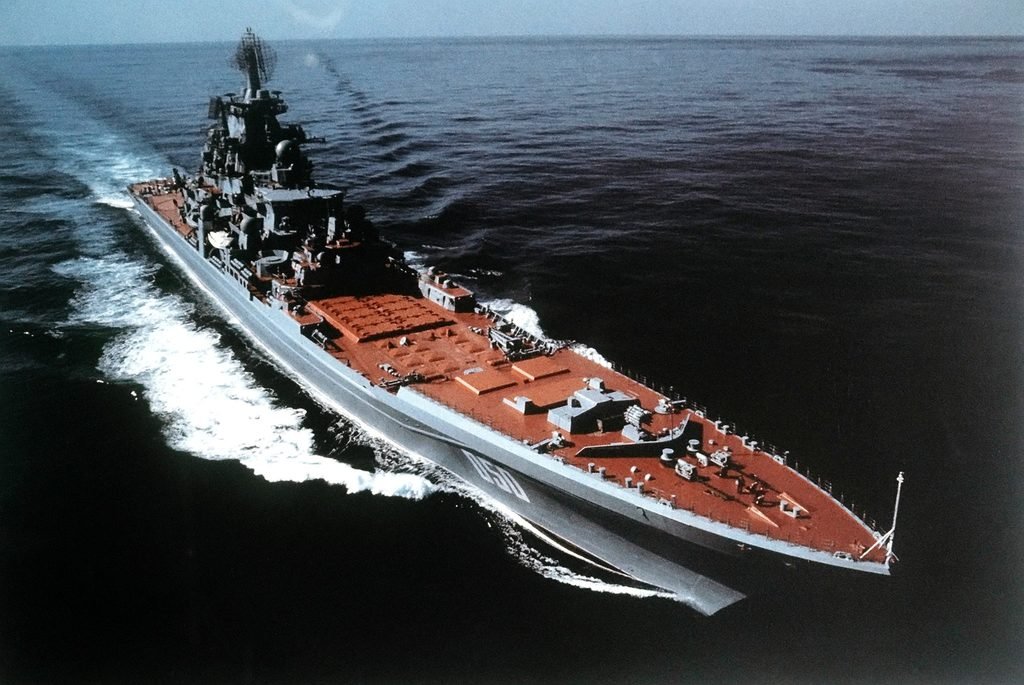
Cruisers are the largest type of surface combatant, typically displacing around 10 000 tons. Their size is justified by an enhanced naval combat ability compared to smaller warships. Only the USA and Russia use ships designated as cruisers, but Japan and China have ships of equivalent size and capability. Cruisers are not the most numerous warship of any navy, and often have a leading role within their fleet or flotilla.
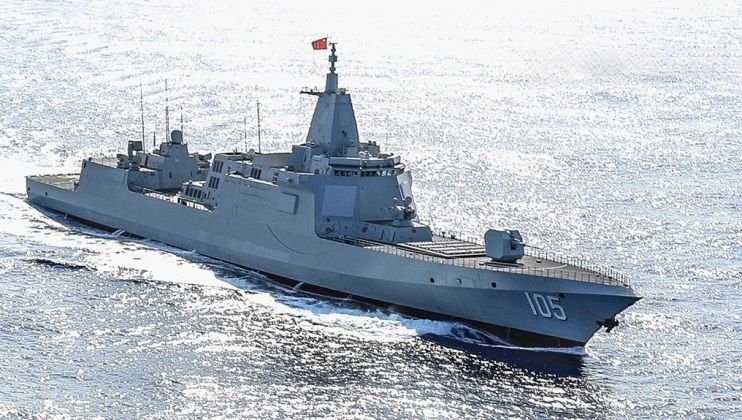
Destroyers are the second largest type of surface combatant, typically displacing 5000-10 000 tons. Destroyers typically carry multiple sets of vertically launched missiles, and are capable of engaging all types of enemy combatants effectively. Destroyers are usually the backbone of the navies of middle and great powers.
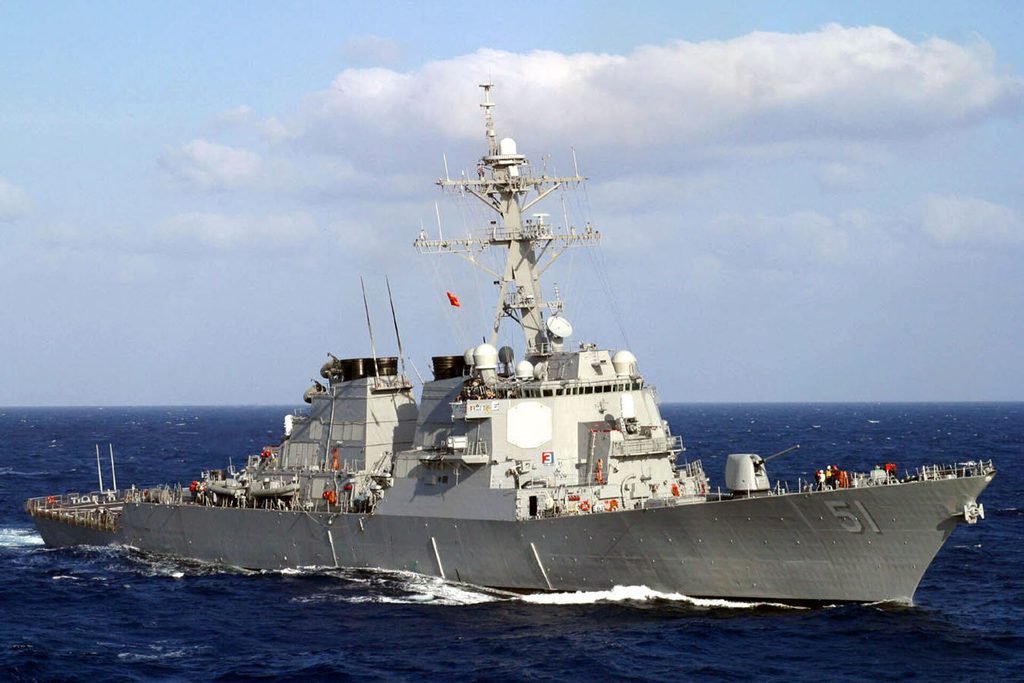
Frigates are the smallest ship type still designated a large surface combatant, typically displacing 2000-5000 tons. Large frigates may carry few vertically launched missiles, making the divide between large frigates and small destroyers especially fuzzy. Frigates tend to have the ability to engage all types of adversaries in naval combat, but not excel at it. Frigates are usually the largest ships of small countries that still want a degree of power projection capability.
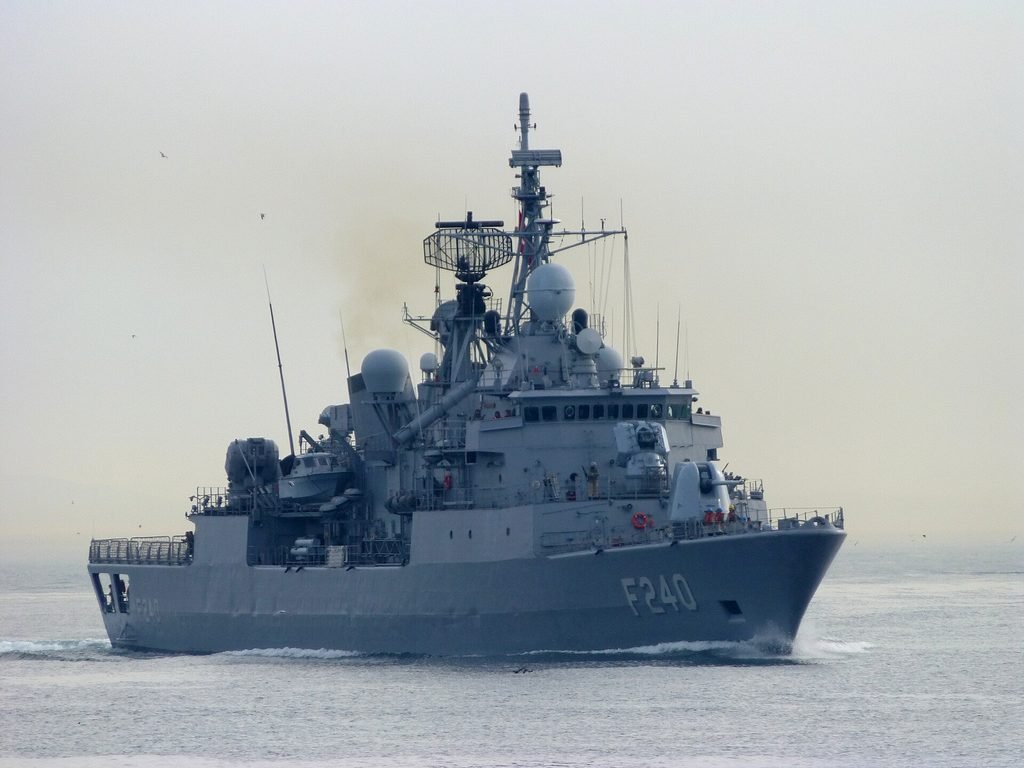
Corvettes are sometimes considered the smallest class of warship, typically displacing 500-1500 tons. They are usually specialized in fighting other surface warships, submarines, or aircraft with very limited abilities in the two other types of combat.
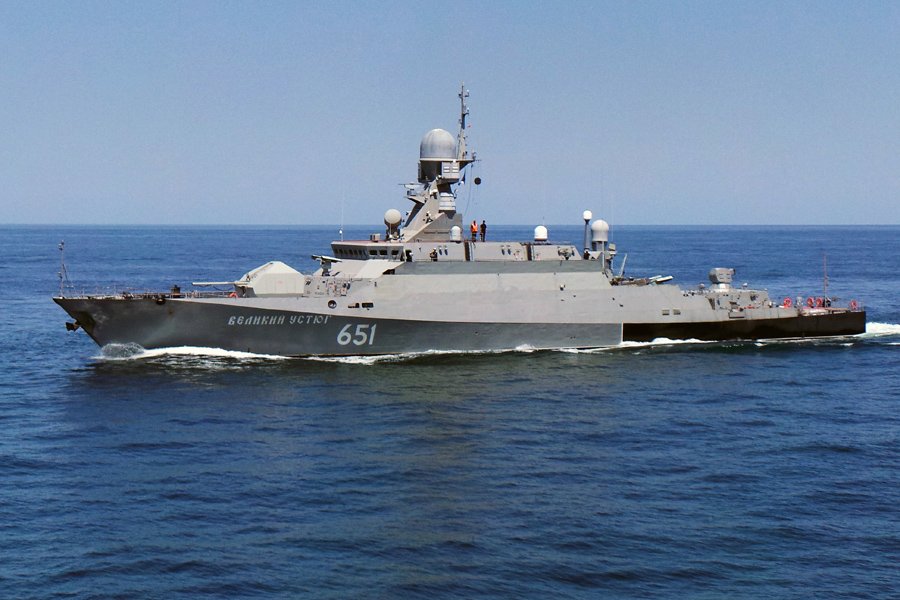
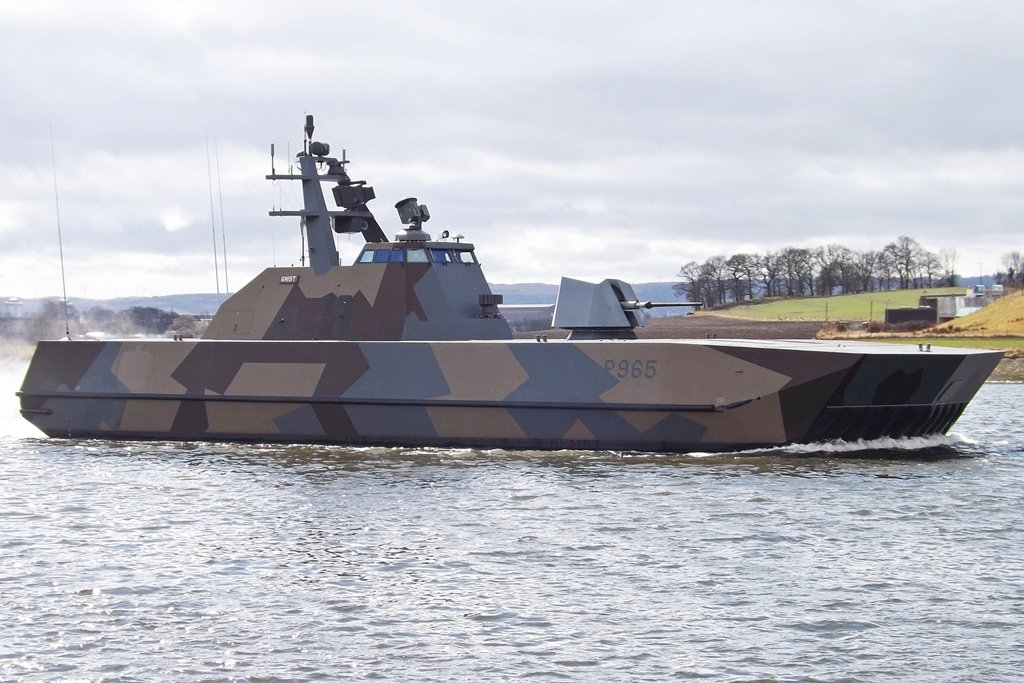
Missile boats or fast attack craft are the smallest type of combatant that can meaningfully be called a warship, typically displacing 100-500 tons. They usually only operate in coastal areas, and usually only have an anti-ship role. Fast attack craft rely on speed and small size to avoid detection and engage enemy ships on a closer range.
c. Submarines
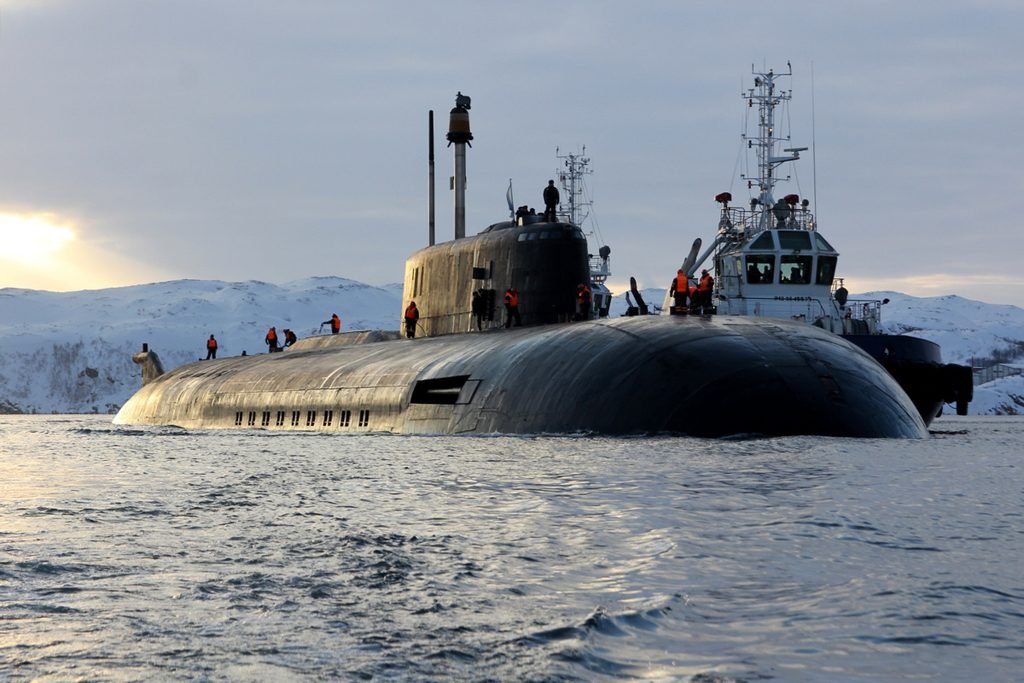
Missile submarines are large submarines with the ability to launch ballistic or cruise missiles from underwater. They are often used to maintain a safe form of nuclear deterrence, as they won’t be destroyed if the mainland is attacked in a nuclear first strike. As a consequence of their size and application, missile submarines are mostly used by great or middle powers, and are usually nuclear-powered.
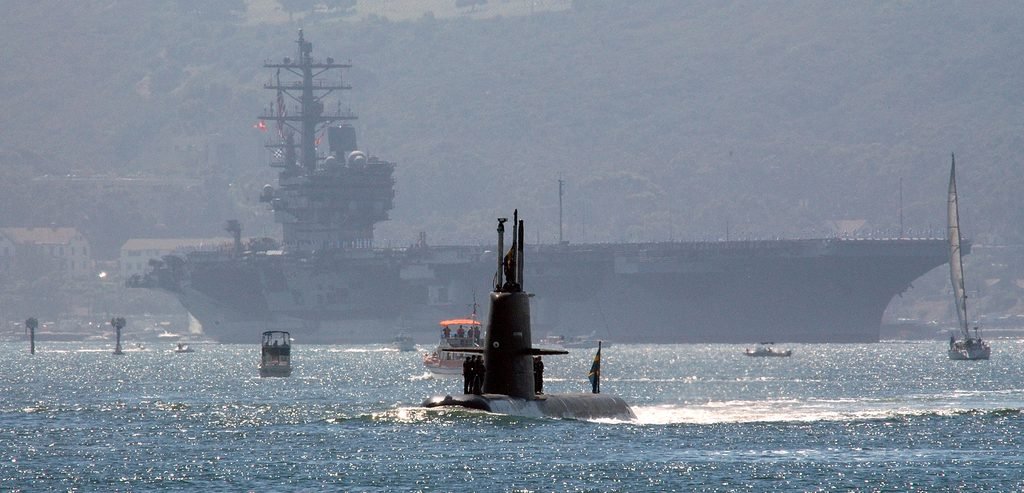
Attack submarines are the more common type of military submarines. They are armed with torpedoes and are primarily meant to engage enemy surface vessels. Due to being hard to detect, submarines are helpful in a strategy of sea denial. Some larger attack submarines may be nuclear powered, while smaller submarines are usually diesel-electric.
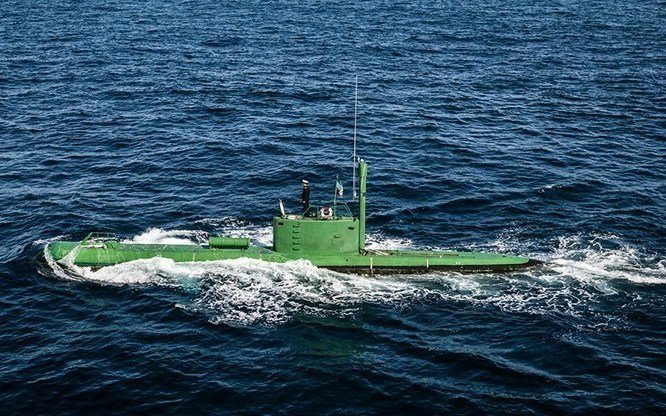
Midget submarines are in use by some smaller navies. They typically hold no more than one or two torpedoes, and a similarly small number of crew. They are cheap and hard to detect, but also slow and cannot stay underwater for as long as larger submarines.
d. Support (or auxiliary) ships
Amphibious warfare ships are vessels with a main purpose to deploy ground forces on enemy territory. They are referred to by different names in different militaries depending on size and types of equipment carried. Amphibious warfare ships will usually carry a combination of landing craft, amphibious ground vehicles or helicopters that deploy ground forces to the shore, not embark on enemy shores themselves.
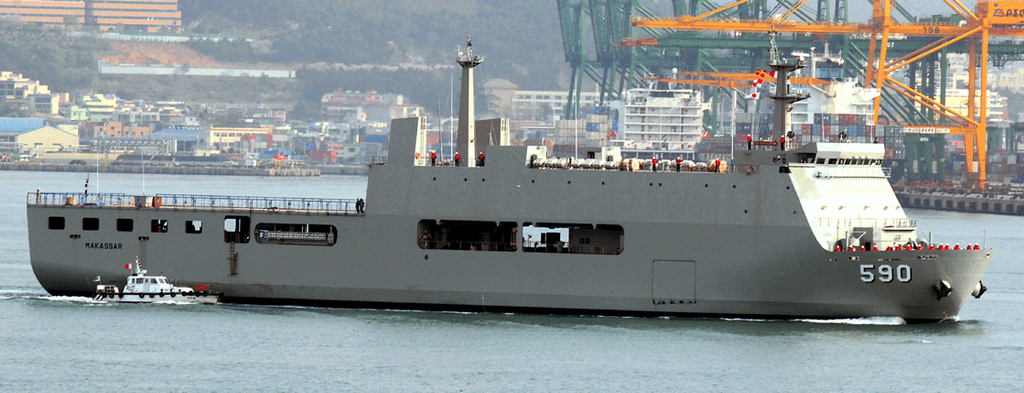
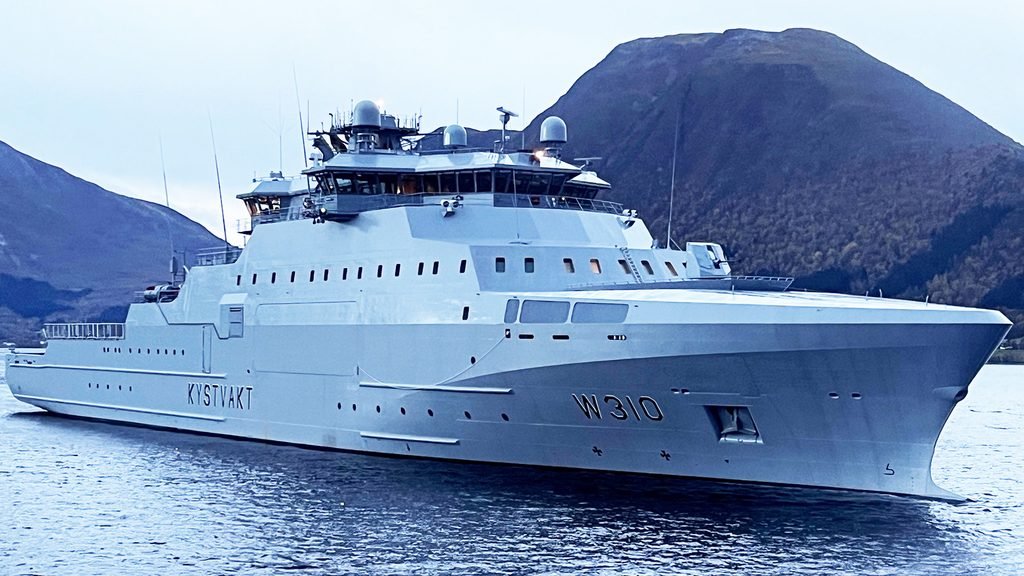
Patrol craft are ships primarily designed for asserting sovereignty in territorial forces and assist law enforcement. Patrol boats are smaller ships and usually stay close to shore, while patrol ships are seagoing and may have a similar size to a frigate. Patrol craft are usually only armed with a deck gun.
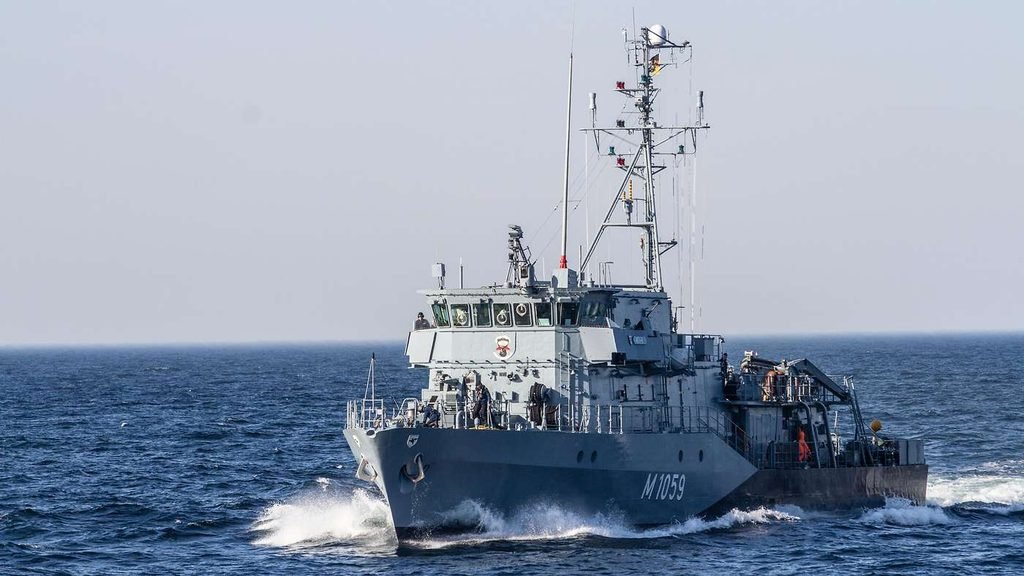
Mine countermeasures vessels are ships that detect and destroy sea mines. Traditionally, mine countermeasures are sorted into minesweeping (clearing a number of mines from an area) and mine-hunting (seeking out and destroying individual mines). In modern navies one ship class will often do both. To protect them from detection by mines, mine countermeasures vessels usually have a small size and reduced magnetic signature.
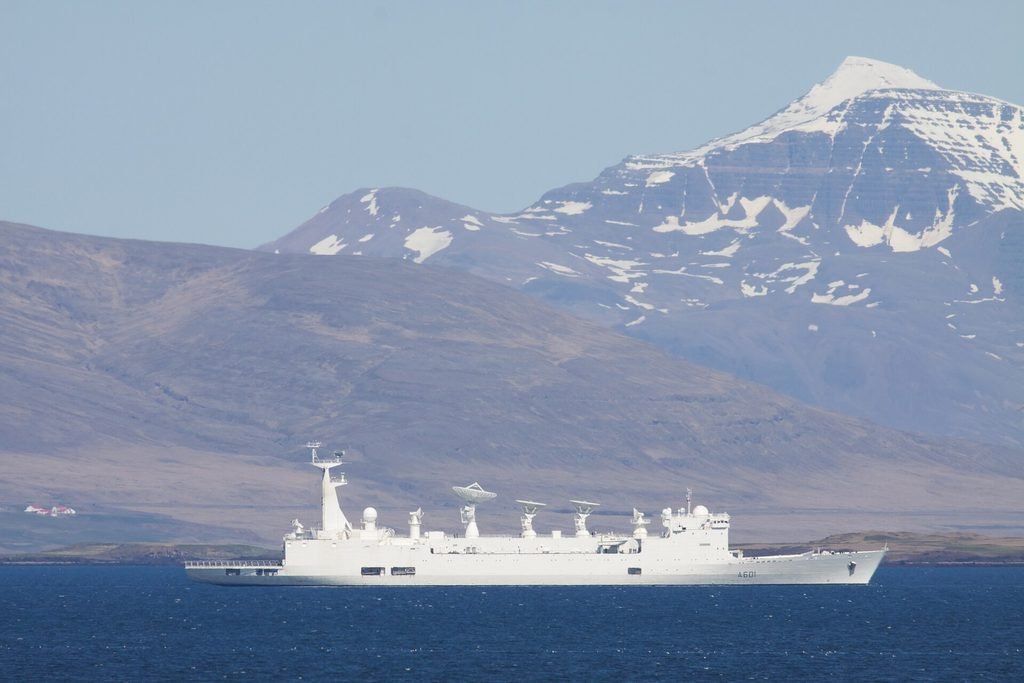
Signal craft are ships with powerful radar or sonar capabilities for its size. They don’t engage in naval combat themselves, but help locate potential enemies and communicates this to friendly forces. A variant of a signal craft is the command ship, that primarily works with passing information along between units.
Logistics ships carry necessary supplies for naval or ground forces to function. A subtype is the fleet oiler, which carries fuel and has the ability to refuel other ships at sea.
Leave a Reply